The New Reality of Employment: Why Degrees Alone Are No Longer Enough
For decades, Indian students were taught a simple formula for success: earn a degree, secure a job, and build a stable career. However, the employment landscape of 2026 tells a very different story.
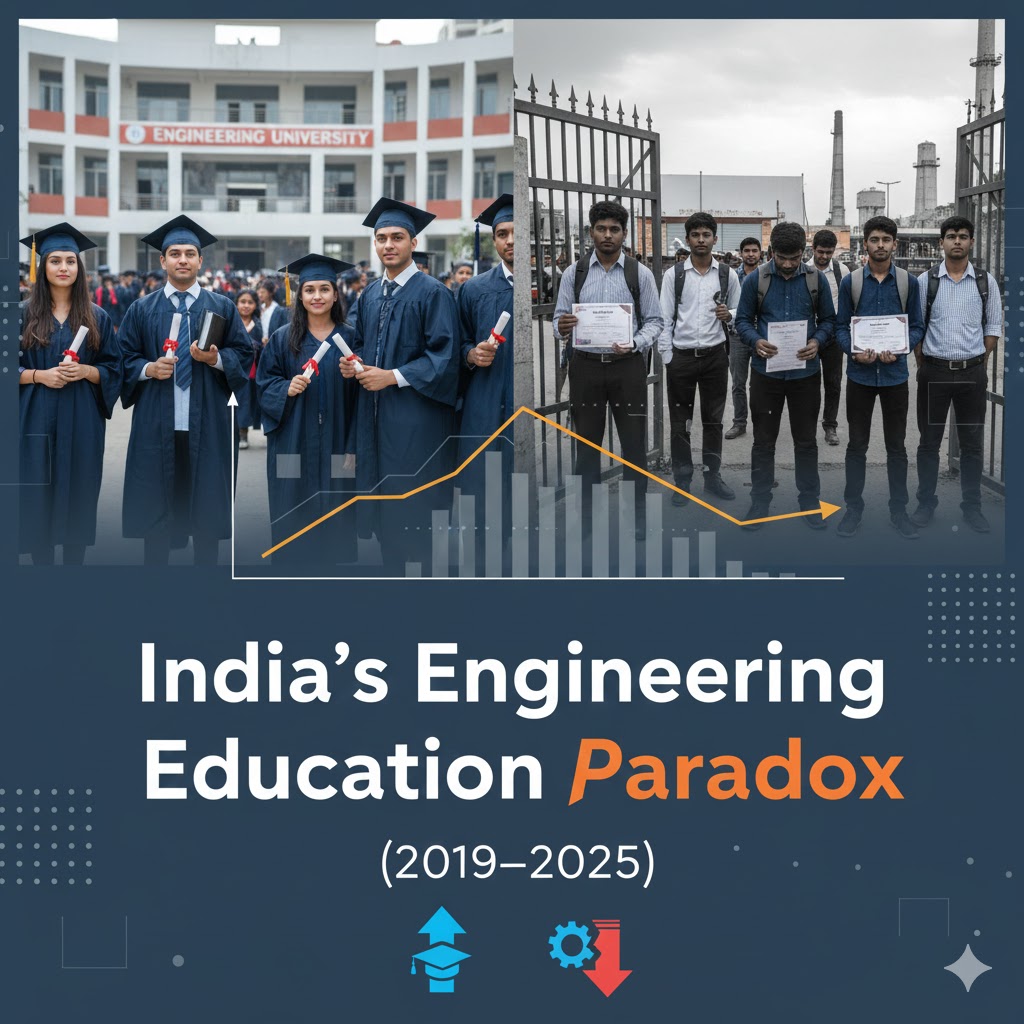
India produces nearly 1.5 million engineering graduates every year, yet a significant percentage struggle to find suitable employment immediately after graduation. The challenge is not limited to engineering alone. Across sectors, employers are increasingly discovering that academic qualifications do not always translate into workplace readiness.
The rise of skill-based hiring has fundamentally changed recruitment practices. Companies now ask a different question:
“Can you solve problems, build products, analyze data, or create value?”
Instead of simply asking:
“Which degree do you hold?”
As industries embrace automation, artificial intelligence, digital transformation, and global competition, practical skills have become more valuable than ever before.
For students planning their careers in 2026 and beyond, the key question is no longer whether you have a degree—but whether you possess the skills the market urgently needs.
The Rise of Skill-Based Hiring
Global companies including major technology firms increasingly recognize practical experience alongside traditional education. Recruiters are focusing on portfolios, certifications, projects, internships, and demonstrated abilities.
Industry surveys indicate that employers are facing serious talent shortages in several specialized fields despite the large number of graduates entering the workforce every year.
This gap creates enormous opportunities for students who focus on developing industry-relevant skills.
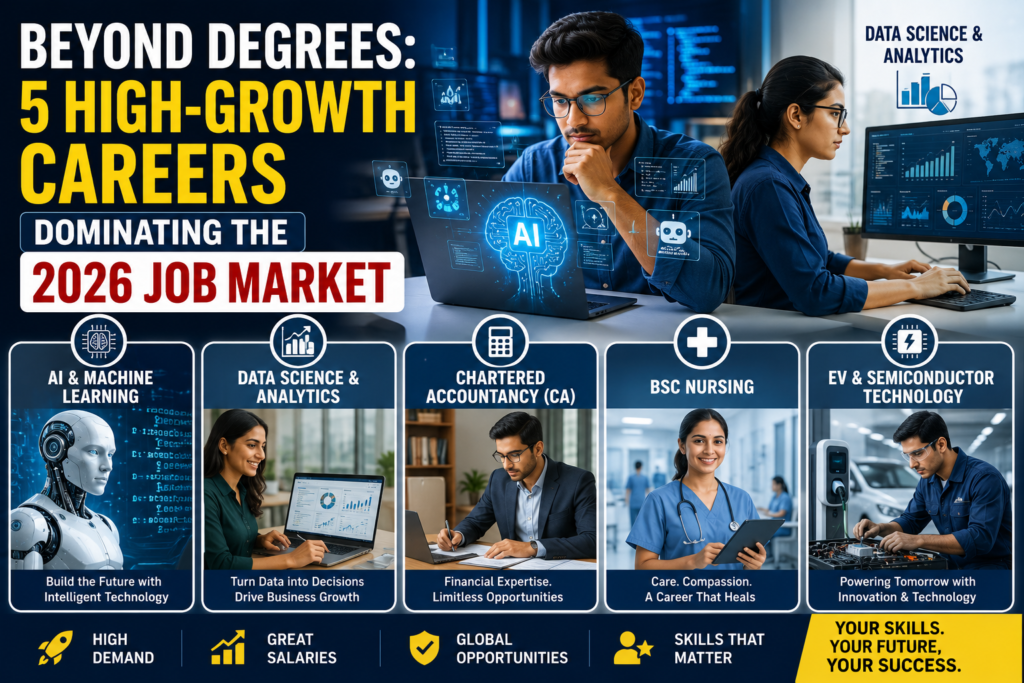
Here are five career paths expected to offer outstanding opportunities in 2026 and beyond.
1. AI, Software Development and Global Capability Centers (GCCs)
Why This Sector Is Booming
India has become a global hub for technology services and innovation. International corporations are rapidly expanding their Global Capability Centers (GCCs) across cities such as Bengaluru, Hyderabad, Pune, Chennai, and Gurugram.
These centers perform high-value work in:
- Artificial Intelligence (AI)
- Machine Learning
- Cloud Computing
- Cybersecurity
- Software Engineering
- Data Engineering
- Product Development
Many GCCs are offering fresher salaries significantly higher than traditional entry-level IT jobs.
What Employers Actually Want
Companies care less about where you studied and more about whether you can:
- Write production-quality code
- Build software applications
- Work with AI tools
- Understand cloud platforms
- Solve business problems
In-Demand Skills
- Python
- JavaScript
- Node.js
- SQL
- Cloud Computing
- Cybersecurity
- Generative AI
- Data Structures & Algorithms
Career Outlook
Students who master these skills and maintain strong project portfolios can compete for opportunities far beyond traditional campus placements.
2. BCA and Data Science: The Most Underrated Technology Route
Why BCA and Data Science Are Winning
Many students believe B.Tech is the only gateway to a technology career. That assumption is increasingly outdated.
Three-year programs such as:
- BCA (Bachelor of Computer Applications)
- BSc Data Science
- BSc Computer Science
are emerging as highly effective alternatives.
The biggest reason is simple:
Companies hire skills, not course names.
The Massive Data Analytics Talent Gap
Organizations across industries are collecting more data than ever before. However, qualified professionals capable of extracting insights from that data remain in short supply.
Skills That Matter
- Python
- SQL
- Data Visualization
- Machine Learning
- Statistics
- Cloud Analytics
Popular Career Roles
- Data Analyst
- Business Analyst
- Data Engineer
- AI Analyst
- Machine Learning Associate
Students who build practical projects and industry certifications often outperform graduates with more expensive degrees but weaker skills.
3. Chartered Accountancy (CA): The Evergreen High-Demand Profession
Why CA Remains Future-Proof
While technology transforms many professions, financial compliance remains essential for every business.
The growing complexity of:
- GST regulations
- Taxation laws
- Corporate governance
- Financial reporting
- Risk management
has created sustained demand for qualified finance professionals.
Career Advantages
Unlike many traditional degree programs, Chartered Accountancy continues to maintain exceptionally strong employability.
Key Benefits
- High professional credibility
- Strong domestic demand
- International recognition
- Entrepreneurial opportunities
- Long-term career stability
Emerging Finance Opportunity: Actuarial Science
Actuarial Science is another highly specialized field with growing demand.
Actuaries help organizations assess risk in areas such as:
- Insurance
- Finance
- Healthcare
- Investments
- Pensions
Although the qualification process is challenging, the shortage of trained professionals makes it one of the most rewarding career options for mathematically strong students.
4. BSc Nursing: India’s Most Underestimated Career Opportunity
The Healthcare Workforce Crisis
Healthcare experts have repeatedly warned about a growing shortage of trained nursing professionals.
India’s healthcare expansion, aging population, and increasing healthcare access are creating unprecedented demand.
This demand is not limited to India.
Countries including:
- United Kingdom
- Canada
- Australia
- Germany
- New Zealand
- Gulf nations
actively recruit qualified nursing professionals.
Why Nursing Offers Exceptional ROI
Compared to many expensive professional degrees, nursing often provides:
- Faster employability
- Stable career growth
- Government job opportunities
- International migration pathways
- High demand across regions
Career Paths
- Hospital Nursing
- Critical Care
- Operation Theatre Nursing
- Public Health Nursing
- Nursing Education
- International Healthcare Services
For students seeking career security, healthcare remains one of the strongest sectors globally.
5. EV, Semiconductor and Green Energy Diploma Careers
The Manufacturing Revolution Has Begun
The next decade will not belong only to software.
India is investing heavily in:
- Electric Vehicles (EVs)
- Semiconductor Manufacturing
- Battery Technology
- Renewable Energy
- Smart Manufacturing
These industries require thousands of skilled technicians, engineers, and supervisors.
Why Diplomas Can Be a Smart Choice
Not every student wants to spend four years pursuing an expensive degree.
Technical diploma programs can provide:
- Faster workforce entry
- Lower educational costs
- Industry-specific training
- Strong PSU opportunities
High-Growth Areas
- EV Maintenance
- Battery Systems
- Industrial Automation
- Semiconductor Fabrication
- Renewable Energy Operations
Many professionals later upgrade through lateral-entry engineering programs while continuing to gain valuable work experience.
Degree vs Skill: The Biggest Career Lesson of 2026
The modern job market rewards demonstrable competence.
Employers increasingly evaluate candidates based on:
What Matters Today
✅ Projects
✅ Certifications
✅ Internships
✅ Portfolios
✅ Problem-Solving Ability
✅ Communication Skills
✅ Critical Thinking
What Matters Less Than Before
❌ Degree Name Alone
❌ College Brand Alone
❌ Memorized Theory
❌ Examination Scores Without Practical Skills
A student who spends four years developing industry-ready capabilities can often outperform another who spends the same period focusing only on academic coursework.
The 4-Step Roadmap for Career Success in 2026
Step 1: Identify Talent Shortages
Target sectors where demand exceeds supply:
- AI
- Data Science
- Nursing
- EV Technology
- Semiconductors
- Finance Compliance
Step 2: Choose a Specialization
Avoid being a generalist.
Become known for one valuable skill.
Step 3: Build a Skill Portfolio
Create:
- Projects
- Certifications
- Internships
- Case Studies
- LinkedIn Profile
- GitHub Portfolio
Step 4: Aim for the Top 5%
Average skills lead to average careers.
The biggest rewards go to professionals who continuously learn and improve.
Final Thoughts
The 2026 job market is sending a clear message:
The future belongs to those who can do, not just those who can claim.
Degrees still matter, but they are no longer sufficient on their own. Employers are looking for professionals who can solve real-world problems, adapt to technological change, and contribute from day one.
Whether you choose AI, Data Science, Chartered Accountancy, Nursing, or Green Energy, the formula remains the same:
Build skills, create proof of your abilities, and focus on becoming indispensable.
The most important career question for every student today is:
Are you acquiring what the market already has in abundance—a degree—or what the market desperately needs—a valuable skill?
- Your Mind Is a Sleeping Genie: 7 Surprising Lessons About the Power of the Subconscious Mind
 The Beta-State Trap: Why We Keep Running but Sometimes Stay… Read more: Your Mind Is a Sleeping Genie: 7 Surprising Lessons About the Power of the Subconscious Mind
 - How to Improve Brain Power Naturally: 15 Science-Backed Habits to Boost Memory, Focus and Mental Performance
 In today’s fast-moving digital world, improving brain power has become… Read more: How to Improve Brain Power Naturally: 15 Science-Backed Habits to Boost Memory, Focus and Mental Performance
 - Mount Kailash Mystery Explained: Why the World’s Most Sacred Mountain Remains Unclimbed
 In a world where humans have conquered Mount Everest, reached… Read more: Mount Kailash Mystery Explained: Why the World’s Most Sacred Mountain Remains Unclimbed
 - Mastering the Art of Dangerous Confidence: Life-Changing Lessons to Build Unshakable Self-Belief
 Confidence is one of the most powerful qualities a person… Read more: Mastering the Art of Dangerous Confidence: Life-Changing Lessons to Build Unshakable Self-Belief
 - Fueling the Mind: The Complete Guide to Brain Health, Memory and Mental Performance
 Why Your Brain Needs the Right Fuel In today’s fast-paced… Read more: Fueling the Mind: The Complete Guide to Brain Health, Memory and Mental Performance
 - Beyond Degrees: 5 High-Growth Careers Dominating the 2026 Job Market
 The New Reality of Employment: Why Degrees Alone Are No… Read more: Beyond Degrees: 5 High-Growth Careers Dominating the 2026 Job Market
 - SSB Interview Secrets Revealed : 5 Guru Mantras for Success in Defence Services Selection
 SSB Interview Preparation: What Really Matters? The Services Selection Board… Read more: SSB Interview Secrets Revealed : 5 Guru Mantras for Success in Defence Services Selection
 - Colour Codes of Roads of India
 Article: What do the colours of milestone stones on Indian… Read more: Colour Codes of Roads of India
 - The Science of Gratitude: How Kindness, Compliments & Social Connection Improve Your Health
 In a fast-paced, stress-driven world, people often overlook one of… Read more: The Science of Gratitude: How Kindness, Compliments & Social Connection Improve Your Health
 - SVAMITVA Scheme: Get Digital Identity Card of Your Landed Property| Complete Guide 2026
 India’s villages are the heart of the nation, but for… Read more: SVAMITVA Scheme: Get Digital Identity Card of Your Landed Property| Complete Guide 2026
 - Prime Minister Internship Scheme (PMIS): Complete Guide to Learn, Earn & Grow
 India is rapidly moving towards becoming a skill-driven economy, and… Read more: Prime Minister Internship Scheme (PMIS): Complete Guide to Learn, Earn & Grow
 - Banking IBPS Recruitment Examinations Schedule and Notification 2026
 Comprehensive Guide Banking Recruitment Examinations — Full Calendar 2026 Notifications,… Read more: Banking IBPS Recruitment Examinations Schedule and Notification 2026
 - Best Tech Careers in 2026: High Paying, Growth & Stability (Complete SEO Guide)
 Choosing the right tech career in 2026 is no longer… Read more: Best Tech Careers in 2026: High Paying, Growth & Stability (Complete SEO Guide)
 - The Morning Routine of High Performers: How Top Minds Prime Their Brain Before 9 AM
 You wake up. Your phone buzzes. Emails, notifications, news —… Read more: The Morning Routine of High Performers: How Top Minds Prime Their Brain Before 9 AM
 - Will Babies Be Born in Laboratories in the Future?
 Artificial Wombs, AI Monitoring, and the Emerging Vision of Ectogenesis… Read more: Will Babies Be Born in Laboratories in the Future?
 - India’s Engineering Education Paradox (2019–2025)
 Degrees in Abundance, Employability in Crisis — and the Urgent… Read more: India’s Engineering Education Paradox (2019–2025)
 - 5 Proven Ways to Improve Your Memory – Backed by Neuroscience
 Memory is one of the most fascinating functions of the… Read more: 5 Proven Ways to Improve Your Memory – Backed by Neuroscience
 - Boost Your Memory FAST with These 4 Brain Secrets!
 Neuroscience isn’t just for scientists in labs—it’s for everyone who… Read more: Boost Your Memory FAST with These 4 Brain Secrets!
 - The Art of Ignoring: 8 Powerful Ways to Attain Success and Inner Peace
 Introduction: Chanakya’s Timeless Wisdom आचार्य चाणक्य (Acharya Chanakya), in his… Read more: The Art of Ignoring: 8 Powerful Ways to Attain Success and Inner Peace
 - The Birth of an ‘Insta Baby’: A Wake-Up Call for Today’s Generation
 A Strange Miracle or a Stark Reality? Recently, a story… Read more: The Birth of an ‘Insta Baby’: A Wake-Up Call for Today’s Generation
 - Artificial Intelligence: Boon or Bane
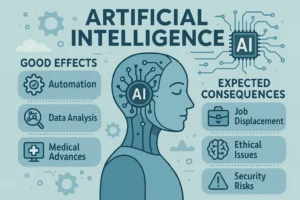 Author : Alak Mazumder When John McCarthy, a visionary American… Read more: Artificial Intelligence: Boon or Bane
 - Top 10 Skills You Need in 2025 to Land a HIGH-PAYING Job (With Courses & Certifications)
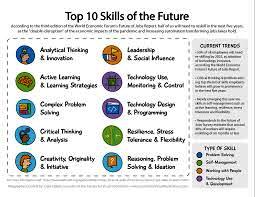 If you’re aiming for a high-paying job in 2025, one… Read more: Top 10 Skills You Need in 2025 to Land a HIGH-PAYING Job (With Courses & Certifications)
 - Effective Parenting in a Busy World: Insights from Dr. Jamal Khan
 In today’s fast-paced world, parenting has become one of the… Read more: Effective Parenting in a Busy World: Insights from Dr. Jamal Khan
 - 🇮🇳 Lesson: Availability of Various Metals in India from Natural Resources and Mines
 🧭 Objectives: By the end of this lesson, you will… Read more: 🇮🇳 Lesson: Availability of Various Metals in India from Natural Resources and Mines
 - Balancing Modern Technology and Spiritual Practice for a Harmonious Life
 In an era defined by rapid technological advancement, our lives… Read more: Balancing Modern Technology and Spiritual Practice for a Harmonious Life
 - Mastering the Indian Constitution: Fun Tips and Memory Tricks
 Here is some super effective and fun tips and tricks… Read more: Mastering the Indian Constitution: Fun Tips and Memory Tricks
 - earning from Digital World