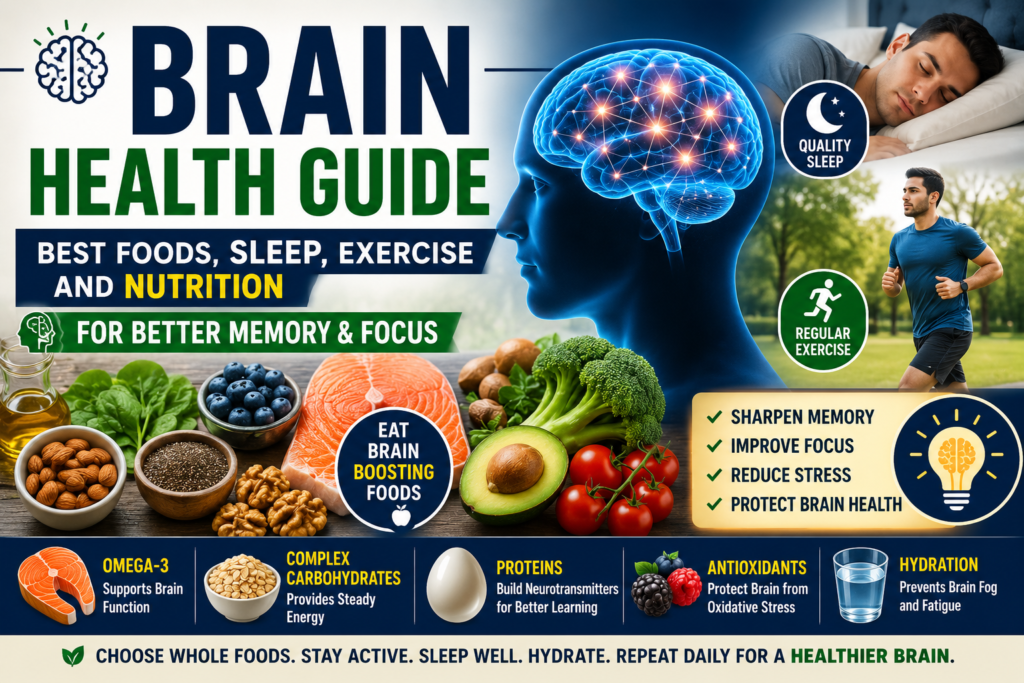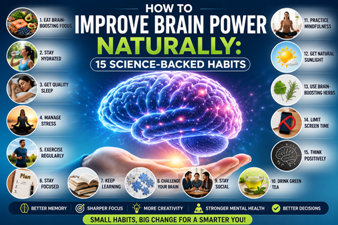
In today’s fast-moving digital world, improving brain power has become more important than ever. Whether you are a student preparing for competitive exams, a working professional handling multiple responsibilities, or a senior citizen looking to preserve memory, keeping your brain healthy should be a daily priority.
The human brain is like a muscle. The more effectively you use and care for it, the stronger and more efficient it becomes. Scientific research shows that daily habits have a much greater impact on brain performance than expensive supplements or short-term memory tricks.
This guide explains practical, evidence-based methods that can significantly improve concentration, memory, creativity, learning ability and overall cognitive health.
What Does Brain Power Mean?
Brain power refers to your brain’s ability to process information, learn new skills, solve problems, remember facts, make decisions and remain mentally alert. Good brain health is influenced by lifestyle, nutrition, sleep, stress management and physical activity.
Fortunately, the brain remains adaptable throughout life through a process called neuroplasticity. This means new neural connections continue to develop when the brain is challenged and properly nourished.
Why Brain Health Matters
A healthy brain helps you:
Learn faster
Improve memory retention
Increase productivity
Make better decisions
Stay emotionally balanced
Reduce mental fatigue
Lower the long-term risk of cognitive decline
Even small improvements in daily habits can produce noticeable changes in mental performance within a few weeks.
1. Prioritize Quality Sleep
Sleep is one of the most powerful natural brain boosters. During deep sleep, the brain organizes memories, repairs nerve cells and removes waste products that accumulate throughout the day.
Adults should aim for 7 to 9 hours of uninterrupted sleep every night. Going to bed and waking up at the same time each day also helps regulate the body’s internal clock.
Poor sleep is directly associated with weaker concentration, slower thinking and reduced memory.
2. Start Your Morning Without Your Mobile Phone
Many people begin their day by checking emails, WhatsApp or social media. This immediately places the brain into a reactive mode instead of a focused state.
Instead, spend the first 30 minutes after waking without digital distractions. Use this time to stretch, meditate, plan your day or simply enjoy a peaceful morning.
This habit protects your mental attention and improves productivity throughout the day.
3. Get Morning Sunlight
Natural sunlight within the first few minutes after waking helps regulate the body’s circadian rhythm.
Morning sunlight increases alertness, improves mood and supports better nighttime sleep, all of which contribute to improved cognitive performance.
A simple 10 to 15-minute walk outdoors can make a noticeable difference.
4. Exercise Every Day
Regular physical activity increases blood flow to the brain and stimulates the production of Brain-Derived Neurotrophic Factor (BDNF), often called the brain’s “growth fertilizer.”
Walking, jogging, cycling, yoga, swimming and strength training all support brain health.
Even 30 minutes of moderate exercise five days a week can improve learning ability and memory.
5. Feed Your Brain with Healthy Foods
The brain consumes approximately 20 percent of the body’s energy. A nutritious diet directly affects cognitive performance.
Brain-friendly foods include:
Fatty fish rich in Omega-3 fatty acids, walnuts, almonds, pumpkin seeds, berries, green leafy vegetables, eggs, dark chocolate in moderation, whole grains and fresh fruits.
Reduce processed foods, sugary drinks and excessive junk food, which may negatively affect memory and concentration.
6. Stay Hydrated
Even mild dehydration can reduce attention span, memory and mental speed.
Drink sufficient water throughout the day instead of waiting until you feel thirsty.
For most adults, 2 to 3 litres of water daily is a practical target, although individual needs vary depending on climate and activity level.
7. Challenge Your Brain Daily
The brain grows stronger when challenged with new learning experiences.
Activities that stimulate the brain include:
Reading books, solving puzzles, learning a musical instrument, playing chess, learning a new language, mental arithmetic and strategic games.
Trying something new encourages the brain to create fresh neural pathways.
8. Practice Deep Work
Multitasking reduces efficiency because the brain constantly switches attention between tasks.
Instead, focus on one important activity at a time for 60 to 90 minutes without interruptions.
Turn off notifications, close unnecessary browser tabs and dedicate uninterrupted time to high-priority work.
This approach significantly improves concentration and productivity.
9. Practice Mindfulness and Meditation
Research consistently shows that meditation improves attention, emotional regulation and memory.
Even 10 minutes of daily mindfulness practice reduces stress hormones and helps the brain remain calm under pressure.
Simple breathing exercises can also improve focus during stressful situations.
10. Write a Daily Journal
Writing thoughts on paper helps organize information and reduces mental overload.
Many experts recommend maintaining two simple journals:
An idea journal for goals, gratitude and positive thoughts, and a reflection journal for worries, frustrations and lessons learned.
This practice clears mental clutter and improves emotional well-being.
11. Reduce Chronic Stress
Long-term stress increases cortisol, a hormone that can damage memory-related areas of the brain.
Manage stress through:
Regular exercise, sufficient sleep, meditation, hobbies, spending time with family, listening to music and spending time in nature.
Managing stress effectively is essential for maintaining long-term cognitive health.
12. Drink Coffee in Moderation
Caffeine improves alertness and attention when consumed responsibly.
One or two cups of coffee daily are generally sufficient for most healthy adults.
Avoid excessive caffeine late in the evening, as poor sleep ultimately harms brain performance.
13. Build Positive Social Connections
Meaningful conversations stimulate thinking, emotional intelligence and memory.
Regular interaction with family, friends and colleagues also lowers the risk of depression and cognitive decline.
Healthy relationships contribute significantly to overall brain health.
14. Continue Learning Throughout Life
Lifelong learning keeps the brain active.
Take online courses, attend workshops, read educational articles or develop new professional skills.
People who continuously learn tend to maintain sharper cognitive abilities as they age.
15. Protect Your Brain from Harmful Habits
Certain habits gradually reduce brain performance.
Avoid excessive alcohol consumption, smoking, recreational drugs, chronic sleep deprivation, excessive screen time and a sedentary lifestyle.
Replacing these habits with healthier routines provides long-term cognitive benefits.
Can Supplements Improve Brain Power?
Many supplements claim to boost intelligence and memory.
However, for healthy individuals, there is limited evidence that supplements alone significantly improve brain function.
A balanced diet, regular exercise, quality sleep and stress management remain the most reliable ways to improve cognitive performance.
People with nutritional deficiencies should consult a healthcare professional before taking supplements.
Daily Brain Power Routine
An effective daily routine may look like this:
Wake up at a consistent time, spend a few minutes in sunlight, avoid your phone for the first half hour, exercise for 30 minutes, eat a nutritious breakfast, complete your most demanding work during your peak concentration hours, stay hydrated, take short movement breaks, read before bedtime and get 7 to 9 hours of sleep.
Following this routine consistently can improve focus, learning capacity and mental resilience over time.
Common Myths About Brain Power
Many people believe intelligence cannot be improved after childhood. Modern neuroscience proves otherwise. The brain remains adaptable throughout life.
Another common myth is that expensive “brain booster” supplements are necessary. In reality, healthy lifestyle habits have a much stronger scientific foundation than most commercial products.
Similarly, many believe multitasking increases productivity, but research consistently shows that focusing on one task at a time leads to better performance and fewer mistakes.
Frequently Asked Questions
How can I improve my brain power naturally?
Regular exercise, healthy nutrition, adequate sleep, meditation, lifelong learning and stress management are the most effective natural methods.
Which food is best for brain health?
Fatty fish, walnuts, berries, eggs, leafy vegetables, whole grains and nuts are among the most beneficial foods for cognitive function.
Does exercise improve memory?
Yes. Regular physical activity increases blood circulation to the brain and supports the growth of new neural connections.
Can adults improve their intelligence?
Adults can improve learning ability, memory, focus and problem-solving skills by consistently adopting healthy brain habits.
How long does it take to notice improvement?
Many people experience better concentration and energy within two to four weeks of consistently following healthy lifestyle practices.
Final Thoughts
Improving brain power does not require miracle pills or complicated techniques. The strongest scientific evidence points toward simple daily habits performed consistently over time.
Prioritizing sleep, exercising regularly, eating nutritious foods, reducing stress, staying mentally active and limiting distractions can transform cognitive performance. Small improvements made every day accumulate into substantial long-term benefits.
Your brain is your most valuable asset. Investing in it through healthy daily routines is one of the smartest decisions you can make for your future.